

A new option for cancer precision medicine - liquid slice
In the past, cancer diagnosis relied primarily on biopsy techniques. A single sampled tissue section cannot reflect the characteristics of the tumor in real time. Therefore, we are in great need of a safer detection method to obtain more comprehensive and dynamic information in the body to instantly reflect the development and treatment response of cancer.
In recent years, scientists have gradually developed the new technology of "liquid biopsy". Liquid section refers to the analysis of biomarkers such as CTC_FULL__ (Circulating tumor cells, CTCs), circulating tumor DNA (Circulating tumor DNA, ctDNA), microRNA (miRNA), and extracellular vesicles (EVs) in peripheral blood or other body fluids. This method can avoid solid tumor puncture and can instantly reflect the heterogenous information of the tumor.
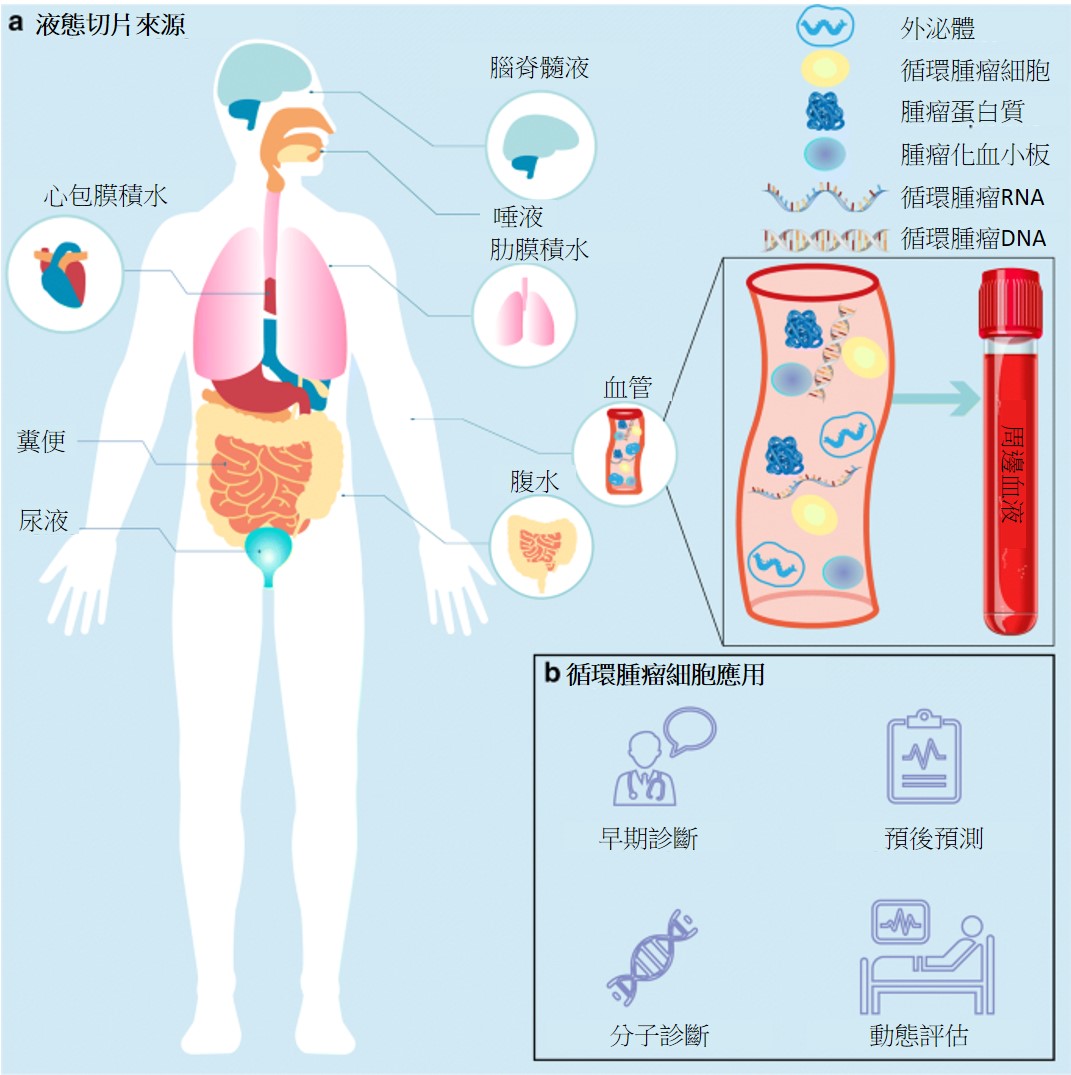
Figure 1. Introduction of liquid biopsy and application of circulating tumor cells
a. Liquid sections include: peripheral blood, hydropericardium, feces, urine, ascites, pleural hydrops, saliva and cerebrospinal fluid. Peripheral blood can be used to isolate circulating tumor cells, circulating tumor DNA, circulating tumor RNA and exosomes.
b. circulating tumor cells can be used in early diagnosis, prognosis prediction, disease tracking, molecular diagnosis and treatment response assessment. Image source: Circulating tumor cells in precision oncology: clinical applications in liquid biopsy and 3D organoid model. Cancer Cell International volume 19, Article number: 341 (2019)
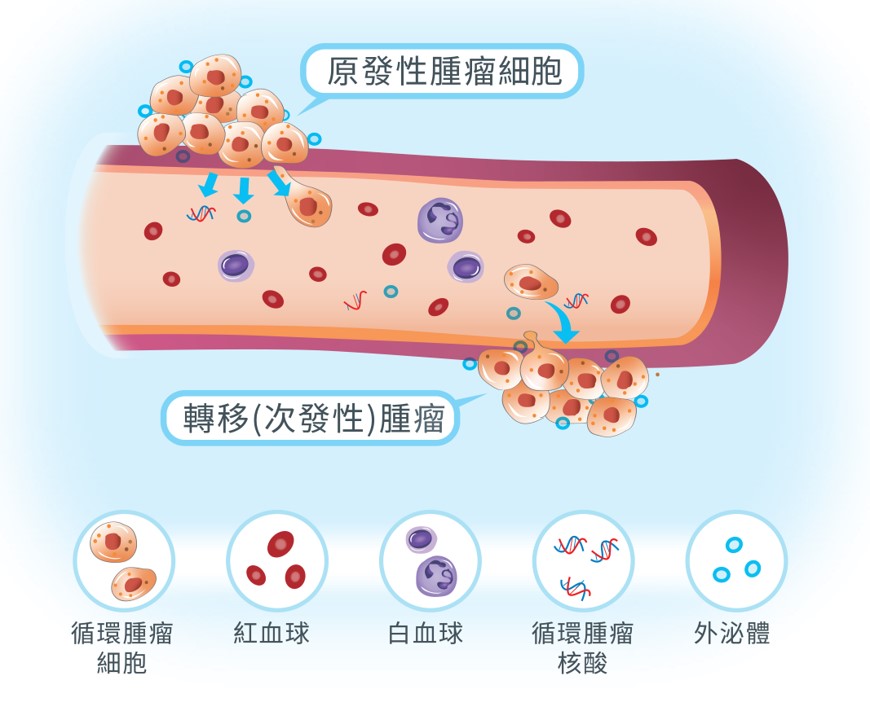
The term "circulating tumor cells" was coined by Thomas Ashworth 150 years ago The doctor discovered that CTC refers to cancer cells that break away from the primary tumor and appear in the circulation system as single cells or aggregated clumps. Since then, medical reports have successively confirmed that as long as there are tumors in the body, there is a chance of metastasis. Each gram of cancer tissue releases 1 million fresh cancer cells into nearby blood vessels every day. As blood circulates throughout the body. These cancer cells that enter the blood circulation are CTCs (Figure 2).
Figure 2. The process of circulating tumor cells entering the blood circulation system
circulating tumor cells new detection technology
Since the number of CTCs in blood circulation is extremely small (only a few CTCs among billions of red and white blood cells), being able to effectively isolate CTCs is a huge technical challenge, so thorough and accurate detection methods are particularly important for further clinical applications.
CTC detection and enrichment technologies can be roughly divided into two categories. The first is the "forward screening" detection method, which mainly relies on antibodies to capture surface tumor antigens expressed on CTCs (meaning to select the fish species to be caught and the corresponding bait). Although antigen-antibody based CTC detection methods are relatively sensitive, they may miss a large group of CTCs with different characteristics due to the diversity of tumors. On the contrary, the detection method of "negative screening" is a size-based filtration method or immunomagnetic removal using antibodies calibrated to white blood cell markers to achieve the removal of main blood components such as red blood cells and white blood cells. The "negative screening" detection method that does not pre-select bait and fish species can retain a greater diversity of CTCs.
circulating tumor cells Scope of application of the test
In recent years, the clinical value of circulating tumor cells testing has gradually received attention, and many clinical studies have been carried out. These research results show that circulating tumor cells testing is an important diagnostic tool in cancer screening, disease tracking, etc. circulating tumor cells The applicable cancer types have almost covered the ten leading causes of death in China, including: rectal cancer, colon cancer, anal cancer, lung cancer (including bronchial and tracheal cancer), female breast cancer, liver cancer, intrahepatic cholangiocarcinoma, gallbladder cancer, oral cancer, prostate cancer, thyroid cancer, skin cancer, stomach cancer, pancreatic cancer, esophageal cancer, kidney (including kidney cancer), bladder cancer, ovarian cancer, nasopharyngeal cancer, 21 types of cancer including cervical cancer, laryngeal cancer, and urinary tract cancer (including ureter and urethra).
Early screening application of circulating tumor cells detection
Several clinical studies have found that CTCs can be detected in early stages of tumor development. This approach has been demonstrated in a reported study on lung cancer, in which 168 patients with chronic obstructive pulmonary disease underwent annual helical computed tomography lung cancer surveillance, and all patients (five in total) with positive CTC counts developed lung cancer during their enrollment. In this study, CTCs were detected 1 to 4 years earlier than signs of malignancy detected by computed tomography. Therefore, CTC detection can realize the prospect of early cancer detection and early treatment, can also help distinguish malignant and benign lesions, and may become an effective biomarker to assist in the diagnosis of lung cancer.
Many basic health examination kits provide blood cancer screening. This type of tumor indicator is mainly used in clinical practice to evaluate the effect of cancer treatment and track recurrence. People will be very anxious once they find that the tumor index in the health examination is high. For example, CA-199 is a common tumor indicator for pancreatic cancer. According to large-scale studies, about 80% of patients with real pancreatic cancer have abnormal CA-199 index; however, among all groups with abnormal CA-199, the final chance of developing pancreatic cancer is less than one percent (0.5-0.9%)[2]. Different from general tumor biochemical indicators, CTCs are living tumor cells, which carry molecular and biological information of the entire tumor and can directly reflect changes in the tumor at various stages. The occurrence and progression of tumors can even be detected earlier before there are any signals on imaging. Therefore, for the above-mentioned people with abnormal CA-199 values, CTC testing can be used in the second line to decide whether to require more detailed related screening. People who are undergoing health checks with abnormal CA-199 and high CTC values can choose painless gastroenteroscopy, ultrasound, MRI, etc. to further investigate whether there are abnormalities in the body; people who are undergoing health checks with abnormal CA-199 and CTC values that are lower than normal can continue to track the changes in CA-199 and CTC values.
circulating tumor cells testing to evaluate treatment effectiveness
Clinical studies on breast cancer, lung cancer, colorectal cancer, and prostate cancer have shown that as an auxiliary diagnostic tool, CTC testing has good sensitivity (83-97%) and specificity (81-97%) [3-4]. Clinical studies on non-small cell lung cancer and metastatic cancer (breast cancer, prostate cancer, colorectal cancer) have shown that patients with lower numbers of CTCs in the blood will have better treatment effects. Even for patients with high CTC before treatment, if the CTC becomes lower during treatment, the disease development after treatment will be better in the future. Conversely, if the number of CTCs increases during treatment, future disease progression will be worse.
circulating tumor cells provides medication guidance
Since CTCs are cells that escape from tumor tissue into the blood, CTCs will carry the same genetic mutations as the original tumor tissue. Current clinical experimental results for lung cancer show that epidermal growth factor receptor (EGFR) gene mutations, which are common in lung cancer, can also be found in isolated CTCs, and this mutation is highly correlated with whether the use of targeted drugs is suitable. When resistance to targeted drug treatment occurs, scientists can also detect drug-resistant gene mutations from CTCs [5]. In the future, suitable target drugs can be found by analyzing the genetic mutations of CTCs, and the genetic mutations and quantitative changes of CTCs can be continuously tracked during the treatment process to understand the therapeutic effect of the target drugs in real time.
Which groups are suitable for circulating tumor cells testing?
For subjects, only a small amount of blood is drawn, and there is no need to fast beforehand. There is no need to worry about overexposure to radiation or allergies to developing agents that may be encountered in imaging examinations. CTC testing is a very convenient screening method. According to medical research, if the number of circulating tumor cells per milliliter of blood exceeds a certain range, it is highly suspected that a cancer is developing in the body. Cancer metastasis and treatment prognosis are also closely related to the number of CTCs. Therefore, cancer patients, those with a family history of cancer, those with high risk factors for cancer in their work or life routine (such as smoking, alcoholism, high stress, staying up late, or eating a greasy and low-vegetable diet for a long time, etc.), and those suspected of having cancer (such as recent weight loss, poor appetite, etc.) Poor health, or inexplicable pain that persists for a long time, etc.), and regular health check-ups. If the public can accept CTC testing, the effect of cancer screening and the quality of treatment and condition monitoring of cancer patients will be greatly improved, so that cancer will no longer be a terminal disease.
Vice President of Medical Care at Xiuchuan Hospital
Written by Dr. Lin Zhongwei, Vice President of Xiuchuan Cancer Center
★ Scan the QRcode to learn more ★
References
[1] Sentinel” circulating tumor cellsallow early diagnosis of lung cancer in patients withchronic obstructive pulmonary disease. PLoS One (2014) 9,e111597
[2] The clinical utility of serum CA 19-9 in the diagnosis, prognosis and management of pancreatic adenocarcinoma: An evidence based appraisal J Gastrointest Oncol. (2012) Jun; 3(2): 105–119.
[3] Novel Circulating Tumor Cell Assay for Detection of Colorectal Adenomas and Cancer. Clin Transl Gastroenterol. (2019) 10(10): e00088.
[4] Evaluation of the diagnostic value of circulating tumor cells with CytoSorter® CTC capture system in patients with breast cancer. Cancer Med. (2020) 9(5): 1638–1647.
[5] NanoVelcro rare-cell assays for detection and characterization of circulating tumor cells. Adv Drug Deliv Rev. (2018)125:78-93.