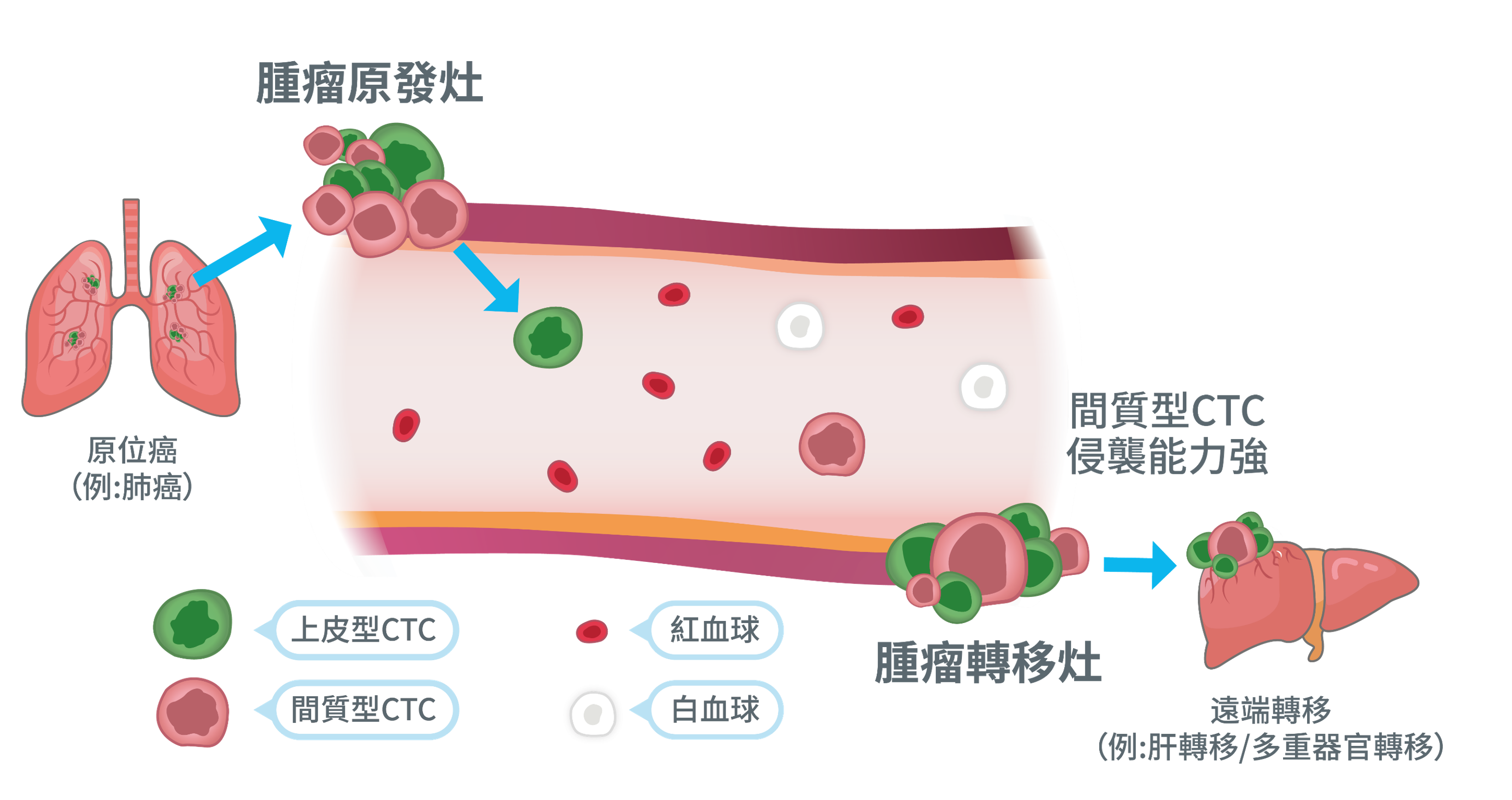
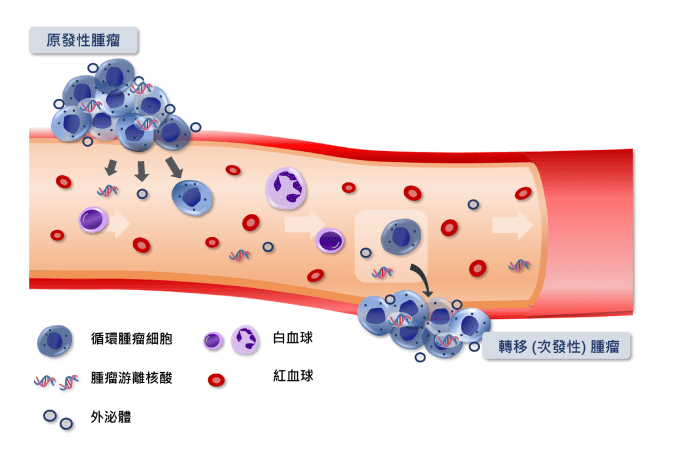
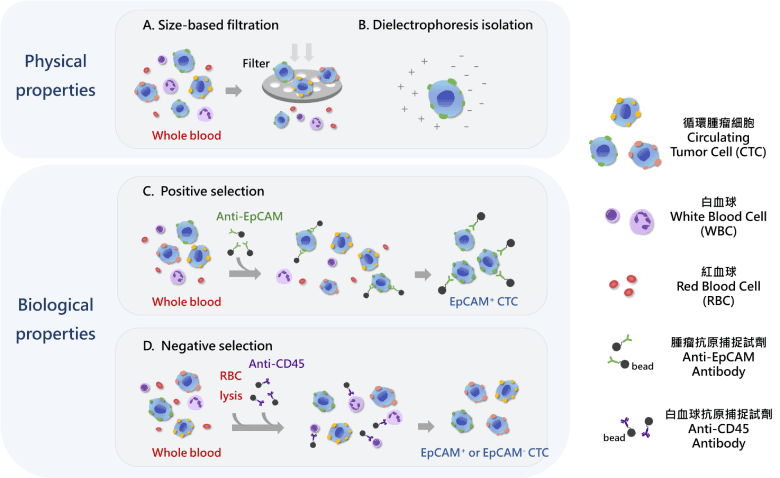
Circulating tumor cells, or CTCs, are cells that detach from a primary or metastatic tumor and enter the bloodstream. Because they can be collected through a blood draw, they provide a way to study tumor-associated cells over time.
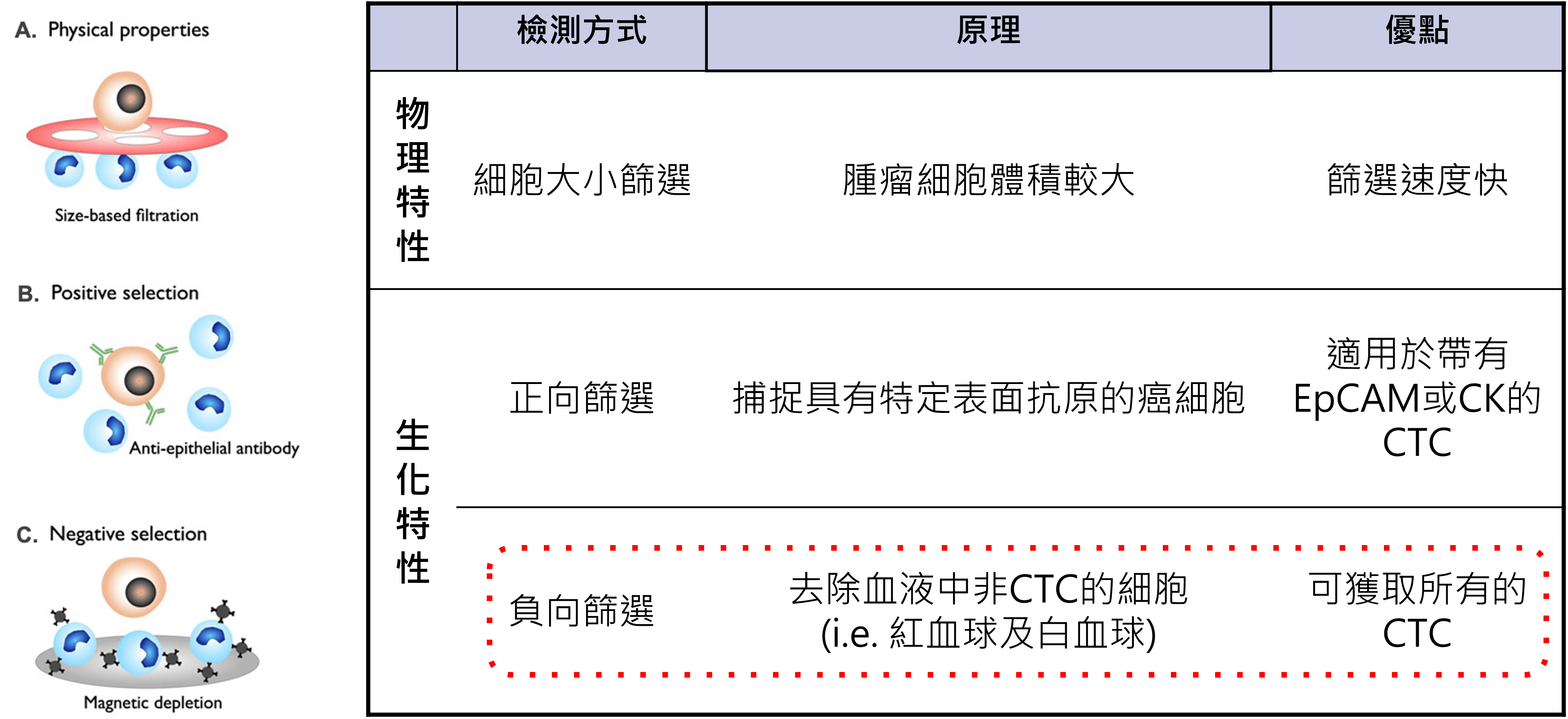
A CTC workflow typically includes enrichment, immunofluorescence staining, imaging, and interpretation. Cell morphology and combinations of markers are reviewed together rather than treating any single signal as definitive.
Research has explored CTCs for risk stratification, treatment monitoring, and recurrence surveillance. Their clinical significance depends on cancer type, assay method, and the patient's broader clinical context.
CTC testing is supplementary and does not replace pathology, imaging, or diagnosis by a qualified physician.