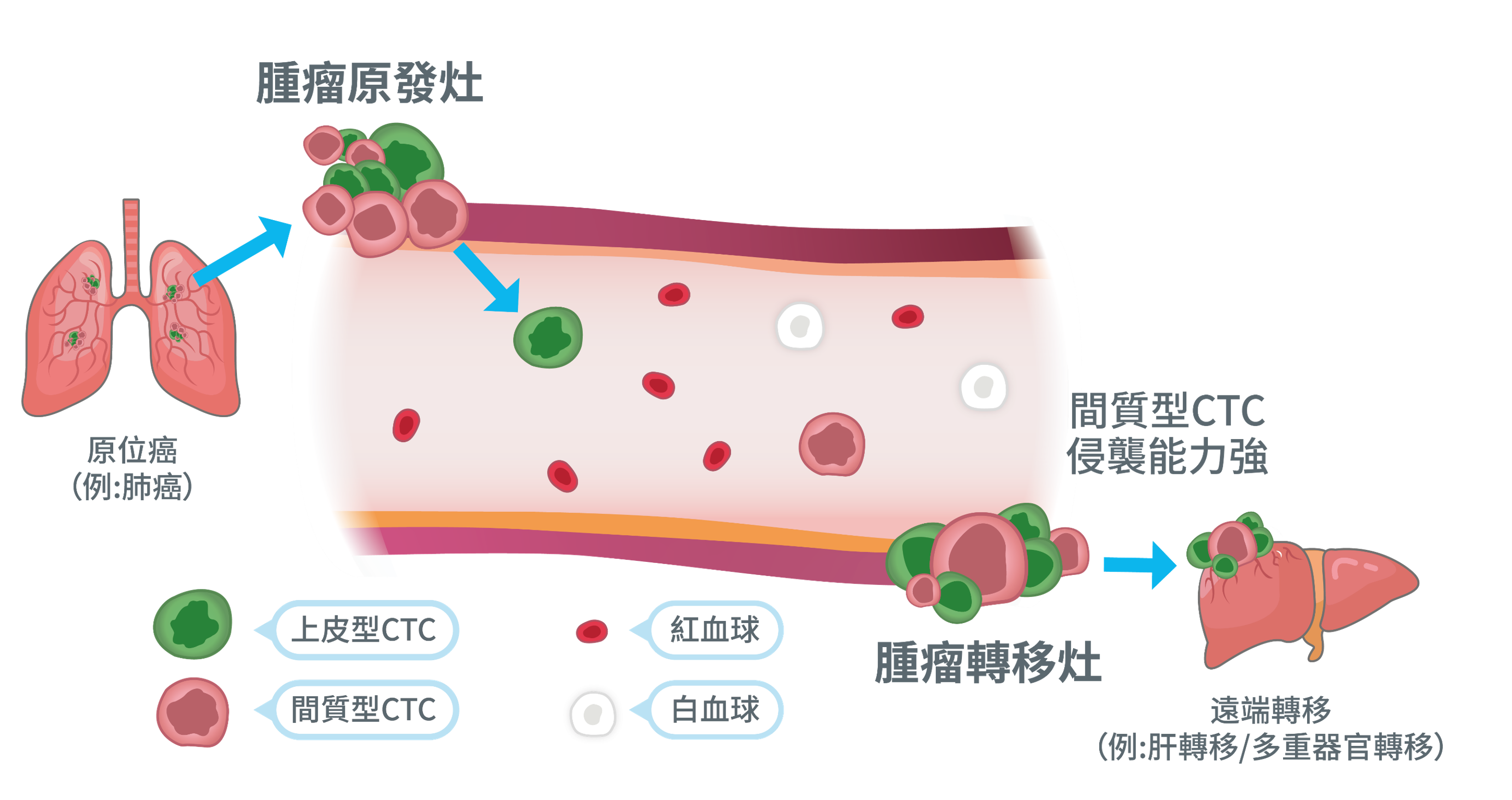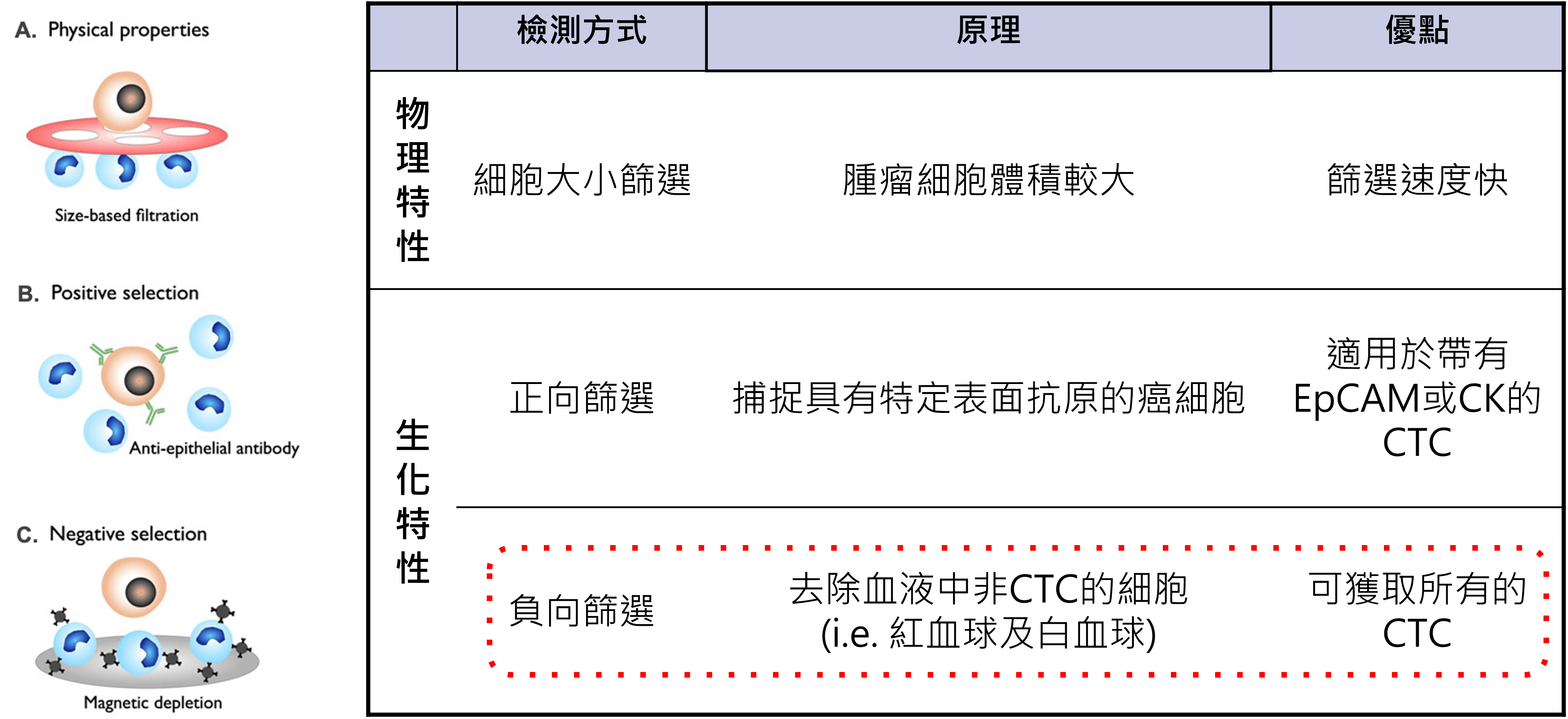
CTC enrichment methods use either physical properties, such as cell size, or biological properties, such as surface-marker expression. Each approach has trade-offs because tumor cells are heterogeneous and may change phenotype during disease progression.
Positive selection captures cells that express a predefined tumor-associated marker. It can be effective when marker expression is stable, but cells with low or absent expression may be underrepresented.
Good Future uses a negative-selection workflow. Red blood cells are removed first, white blood cells are identified with specific antibodies, and magnetic separation is used to reduce unwanted blood cells. The remaining cell population can then proceed to immunofluorescence staining, automated imaging, and review.
By not requiring every candidate cell to express one capture marker, negative selection may reduce marker-related cell loss. Final interpretation still depends on cell morphology, marker combinations, quality controls, and clinical context.